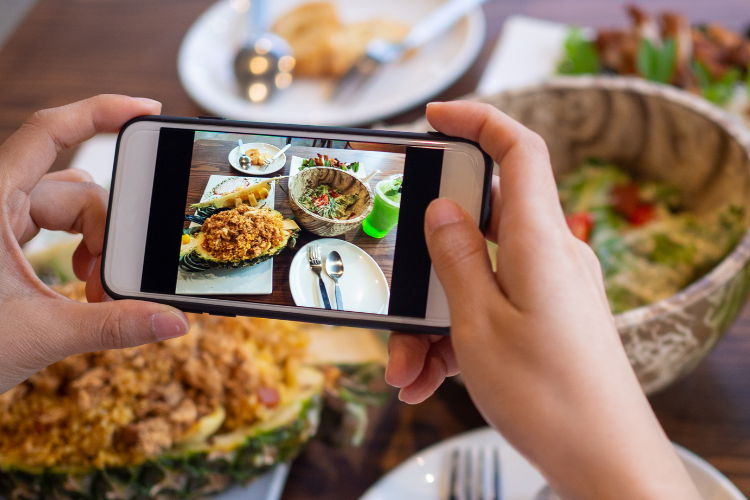
Food blogging has become a dominant influence in the food world over the past few years. Just by pushing a button, food bloggers easily share their dining adventures, recipes and cooking advice with followers numbering in the millions. Food criticism has moved from the pages of newspapers onto our screens, and in its digital incarnation, audiences are now able to enjoy criticising restaurants themselves. With the large followers that food bloggers gain, their opinions have a huge impact on public perception which can then either make or break the reputation of chefs, restaurants and/or cuisines.
Impact on Restaurant Choices
How food bloggers help diners choose restaurants through mouthwatering photos and subjective reviews, they are the foodies that followers look to for guidance on where to find the best chocolate croissant or which brunch spot should be skipped. The bloggers look for everything from ambience and service to the minutiae of the menu, not just food evaluation. This can hugely increase footfall to very businesses, especially smaller ones that still lack visibility. This is why you will see many restaurant owners pouring resources into reaching out to these bloggers, they want the publicity and wider audience.
Shaping Culinary Trends
Food blogging community is where culinary trends are proliferated quickly. So, bloggers are often the first to know about new trends — such as plant-based diets or mind-bending fusion cuisines. Bloggers ignite a spark of excitement over these trends that both the home cook and higher-end culinary specialists use as inspiration to test recipe boundaries. Unlike a paper journal, the immediacy of writing a blog allows future food trends to soar almost instantly around the world, shaping menus and eating habits. This fast-paced idea sharing drives chefs to stay on their toes and innovative, continuously refreshing menus to cater to a more educated group of diners.
Empowering Home Cooks
Food blogs provided a wealth of openly available recipes and cooking techniques for home cooks to learn from. These bloggers are simplifying complex dishes with how-to guides and smart tips that make even gourmet cooking accessible to the average cook. This opened up the world to a new group of art enthusiasts ready to explore different cuisine from their own kitchens. In addition to this, the blogs themselves are more interactive unlike a recipe book even if they do have components where one can seek advice or share modifications — you could even join in the celebration of successes with fellow home cooks and so many other things that only make online home cooking better.
Elevating Food Photography
The visual element of food blogging has elevated the game of food photography. Quality images are appealing but raise the bar for visual quality [in the restaurant industry]. Instagram dispatches also prompt restaurants to create Instagram-friendly plates, which has motivated many investing in the artistry of plating as well as aesthetics within their interiors. This dynamic relationship betwixt bloggers and restaurants, eventually elevates the overall experience, prompting the restaurant to offer a unique atmosphere catering to beyond just taste.
Driving Food Sustainability
And there is also a growing sustainability and dining industry presence through food bloggers. They promote environmental awareness by emphasizing farm-to-table practices, sustainable sourcing, and waste reduction. Bloggers who focus on ethical dining practices often convince their audience to contemplate their dining habits. This increased awareness encourages restaurants to switch to sustainable practices, adding momentum toward a more environmentally-friendly dining experience.
Bridging Cultures and Cuisines
Food blogging is a cultural lens that opens the window for local and international cuisines to the masses. Bacic will examine global culinary traditions with comments from bloggers, exploring cultural heritage and the role food plays in promoting positive cross-cultural experience. Including that publicity invitations diners to check out new cuisines, selling inclusivity and a deeper appreciation of many meals cultures. The cross-border exchange of food stories leads to telling and retelling; how we experience each culinary meal together is woven into a shared narrative in the global tapestry of culturally-inspired dining.
Conclusion
Food blogging has left an indelible mark on who you dine out, what cooking trends you follow, the sustainability of food and appreciation of food culture. With bloggers spending time sharing their culinary journeys, they create space for innovation and a community. This intricate web connects bloggers, diners, and the food industry to transform how we see and eat at restaurants forever. Food blogging is a legacy of the digital age, an example of how sharing can change the way we interact with food.
