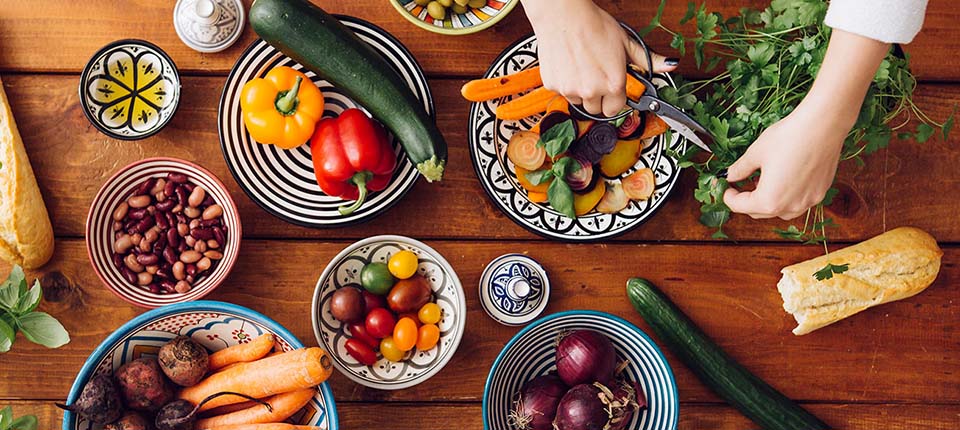
Eating healthy seems like a daunting task and then when we level it up, that it needs to be so stressful. When you incorporate a few strategies to help minimize anxiety, worry about the exact nutritional properties of your. So how do you keep a healthy diet with ease and balance?
Set Realistic Goals
Begin with design goals that are achievable and realistic according to your way of living. Create small, steady and no big changes.
Benefits: achievable objectives are better for long term fatigue prevention and healthier lifestyle maintenance.
Tip: Start with small changes such as adding more fruits and vegetables or just drinking more water.
Plan Your Meals
Meal prep is a great way to rely on something other than impulse when it comes to relieving stress and getting the right nutrition. Set aside some time every week to plan, and it will streamline your shopping in everything cooking.
Benefits: Planning saves us time, reduces decision fatigue, and helps to eliminate the impulse–or unhealthy last minute choice.
Tip: plan out your meals on a weekly calendar, covering various nutrients per each day.
Practice Mindful Eating
Mindful eating, which includes being aware of your food and eating experience, can help to deepen satisfaction and improve digestion.
Benefits: Mindful eating can help you lower your levels of overeating by helping you notice the signs of hunger.
Tip: Keep your TV / phone off while eating and enjoy every bite.
Stock Up on Healthy Staples
Preparation gets easy when you have healthy foods on hand.
Advantages: If they have to reach for less healthy pantry staples, it should only be because their home is filled with it.
Tip: Stock up on things like whole grains, legumes, fruits and veggies, and lean proteins.
Embrace Flexibility
A strict diet can cause frustration. Be tolerant to have a calm eating behavior.
Benefits: Occasional indulgences can help to prevent feelings of deprivation and improve long-term adherence.
Tip: Stick to the 80/20 rule i.e., eat healthily for 80% of the time and have some liberty for the rest 20%.
Prioritize Hydration
This is important for staying hydrated in general as well and can help you to follow a healthy diet.
Benefits: Adequate hydration aids in digestion and can help prevent overeating by distinguishing thirst from hunger.
Tip: Aim for a minimum of 8 glasses of water each day, (or try herbal teas or fruit-infused water)
Listen to Your Body
Your own body signals, a useful indicator of your body’s needs in terms of his nutrition Listen to hunger and fullness signals.
Pros: When you listen to your body, you better control portion sizes and avoid mindless eating.
Tip: Before and after eating, ask yourself how hungry/stuffed you are.
Simplify Your Recipes
Cooking healthy meals is not also complicated. Recipes with less ingredients can be not only to care about your health but also to like them.
Advantages: Preparing for dinner is much quicker, which lessens stovin time during mealtimes and makes the kitchen less hectic.
Tip: Cook minimal prep meals such as a stir fry or a one-pot meal.
Engage Your Support System
Having the support of family and friends may help you stick to a healthy eating plan.
Advantages: Supportive surrounding environment makes you be motivated and choose healthier options.
Tip: Split meal planning with a friend, or friends and family get involved in cooking to make it team oriented.
Celebrate Small Wins
Be proud and celebrate your wins even the little ones! The motivation and confidence from positive reinforcement.
Advantages: Celebrating progress allows you to focus on how much fun it is to be healthy rather than just your results.
Tips: Treat yourself with non food treats like a bubble bath or a book.
Conclusion
With practical strategies you can implement in your daily meal regimen, maintaining a healthy lifestyle without stress is possible. With realistic targets, meal planning, flexibility, & mindfulness you can have balanced nutrition without diet culture anxiety.
Keep in mind that the process of developing a healthy lifestyle is not a sprint, it is a marathon. Slow down, enjoy yourself and learn to feed your body; this will help create long lasting habits. Start applying these tips to reduce stress with foods while creating a balanced and pleasurable way of eating as part of your well-being.
