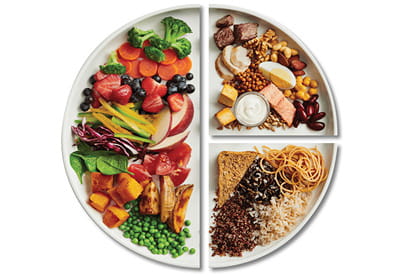
Adopting healthy eating habits is a crucial step towards improving your overall well-being and leading a more fulfilling lifestyle. Here are ten habits that can help you eat healthier and feel better every day.
1. Prioritize Whole Foods
Choose whole, unprocessed foods over processed options to ensure you get the maximum nutritional benefits.
- Why It Matters: Whole foods like fruits, vegetables, whole grains, and lean proteins provide essential nutrients and are free from added sugars and preservatives.
- Tip: Shop the perimeter of the grocery store where fresh produce, meats, and dairy are typically found.
2. Practice Portion Control
Eating the right portion sizes helps maintain a healthy weight and supports digestion.
- Why It Matters: Overeating, even healthy foods, can lead to weight gain and digestive issues.
- Tip: Use smaller plates and bowls to help control portions, and listen to your body’s hunger cues.
3. Stay Hydrated
Drinking enough water is vital for overall health and helps regulate appetite.
- Why It Matters: Hydration supports every bodily function, from digestion to circulation.
- Tip: Aim for at least eight 8-ounce glasses of water per day, and adjust based on your activity level.
4. Limit Added Sugars
Consuming too much added sugar can lead to weight gain and increase the risk of chronic diseases.
- Why It Matters: High sugar intake is linked to obesity, type 2 diabetes, and heart disease.
- Tip: Read labels to identify hidden sugars, and choose natural sweeteners like honey or maple syrup in moderation.
5. Include Protein with Every Meal
Protein is crucial for building and repairing tissues and supports overall health.
- Why It Matters: Adequate protein intake helps maintain muscle mass and keeps you feeling full longer.
- Tip: Incorporate lean proteins such as chicken, fish, beans, or tofu into your meals.
6. Eat Mindfully
Pay attention to what you eat and savor each bite to enhance your eating experience.
- Why It Matters: Mindful eating helps prevent overeating and improves digestion.
- Tip: Avoid distractions like TV or smartphones during meals to fully focus on your food.
7. Incorporate a Variety of Colors
Eating a rainbow of fruits and vegetables ensures a wide range of nutrients.
- Why It Matters: Each color group provides different vitamins and antioxidants essential for health.
- Tip: Aim for at least five servings of colorful vegetables and fruits each day.
8. Plan and Prep Meals
Planning meals in advance aids in making healthier choices and saves time.
- Why It Matters: Meal prep reduces the temptation of fast food and encourages balanced eating.
- Tip: Set aside a day each week to plan and prepare meals and snacks.
9. Read Food Labels
Understanding food labels helps you make informed dietary choices.
- Why It Matters: Labels provide information on nutrients, serving sizes, and potential allergens.
- Tip: Look for foods with minimal ingredients and avoid those with long lists of unrecognizable components.
10. Indulge in Moderation
Allow yourself to enjoy treats occasionally to maintain a balanced and sustainable diet.
- Why It Matters: Deprivation can lead to overeating, so moderation helps maintain pleasure and control.
- Tip: Choose quality over quantity enjoy a small piece of dark chocolate rather than depriving yourself entirely.
Conclusion
Developing healthy eating habits is a journey that involves conscious choices and a commitment to nurturing your body. By prioritizing whole foods, staying hydrated, limiting added sugars, and practicing mindful eating, you set the foundation for a healthier lifestyle. Incorporating a variety of nutrients, planning meals, and allowing for moderation ensures balance and sustainability in your diet.
Adopting these habits may take time, but the positive impact on your physical and mental well-being will be worthwhile. Start with small changes, and gradually integrate these habits into your daily routine. Remember, a healthier lifestyle begins with the choices you make today, leading to a more vibrant and fulfilling tomorrow.
