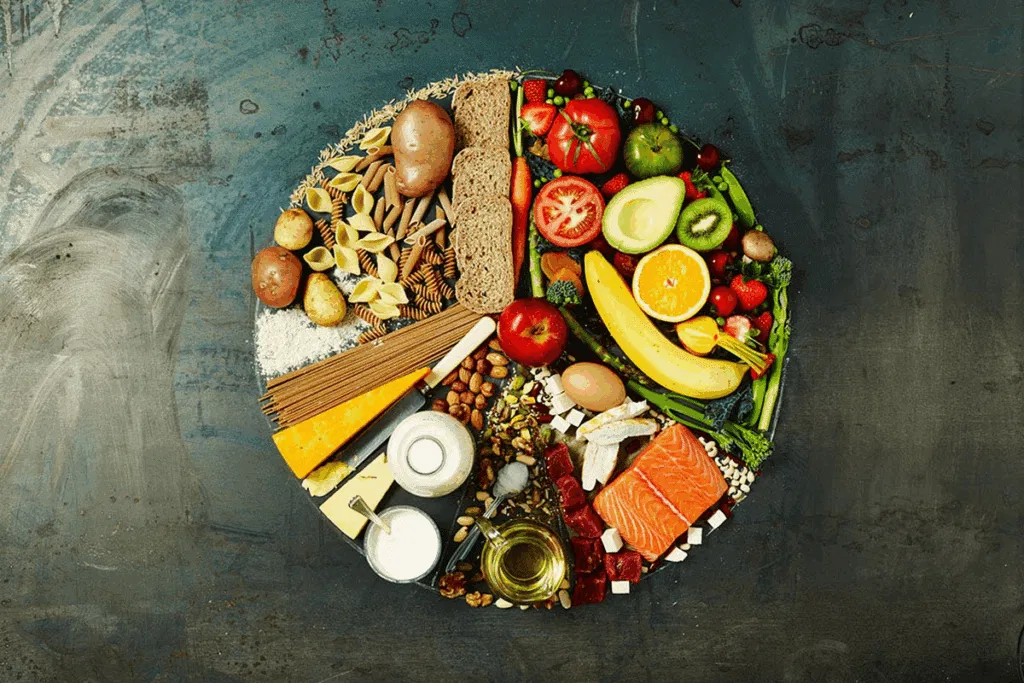
A balanced diet is key to good health and is essential in primary prevention of disease. It is about eating the correct ratios of macronutrients and micronutrients which your body require to operate at its best. This is a complete guide to balanced nutrition in your daily life.
Understanding Macronutrients
A macronutrient is one of the nutrients comprising the bulk of an animal’s or plant’s food supply. Macronutrients are simply the building blocks your body needs in large quantities for power and to do its functions right. These are carbohydrates, protein and fat.
Carbohydrates
Carbohydrates are the main source of energy for your body. They supply energy supply to your brain, kidneys, heart muscles and also central nervous system.
- Selection type: Complex carbohydrates (whole grain, beans, and vegetables) that provide energy and fiber.
- Make sure you control the intake of refined carbs like those in white bread or sugar snacks which can give you spikes and crashes of energy in your blood.
Proteins
Proteins are also necessary to build and repair tissues, produce enzymes, and support immune function.
- Sources: Use Lean proteins chicken, fish beans, tofu legumes.
- Tip: Track how many servings of protein it takes to keep you full, try for a protein source with every meal! This will help maintain muscle.
Fats
Fats aid in the absorption of fat-soluble vitamins, organ protection, and energy.
- Fat: You want to eat more of the good fat like fish, nuts and seeds, avocados. Omega 3 fatty acids (EPA), eicosapentaenoic acid (DHA) and omega-6 fatty acids are abundant.
- Tip: Stay away from trans fats and moderate saturated fats, prevalent in deep fried foods and processed snacks.
The Role of Micronutrients
Although they are needed in smaller quantities, micronutrients (vitamins and minerals) are required for many physiological processes.
- Vitamins: Organic compounds that are a vital component of energy production, immune function and blood coagulation;
- Minerals: These are inorganic substances such as calcium, potassium and iron that help form healthy bones, facilitate signaling between nerves and produce hormones.
- Tip: Use a variety of fruits, vegetables, lean proteins and whole grains to make sure you get enough important vitamins and minerals.
Creating a Balanced Meal
Assemble a plate of both macro and micronutrients on your way to health.
- The Plate Method: Use half your plate for fruits and vegetables, one quarter for lean protein, and another quarter with whole grains.
- Focus On Variety: Include lots of different foods so that you cover all your bases in terms of macronutrients and micronutrients.
- Water: You might notice a theme here, but hydration is also key–almost every single cell in your body needs fluids. Make sure that you are drinking a minimum of eight glasses in every day.
Tips for Maintaining Balanced Nutrition
Plan Your Meals
Meal planning provides nutritional balance through the week with little dependence on processed food.
Weekly Planning: On a weekly basis, reserve some time to plan around your meals and snacks emphasizing variety and healthy options.
Batch Cooking: Prepare meals in bulk to avoid the hassle of cooking every other day and so that you do not end up opting for takeout.
Mindful Eating
It will also enhance the digestion process and keep you away from overeating if you eat mindfully.
Be Mindful: Listen to your body; eat when you are hungry and stop when you are full.
Slow: Eat your food slowly as this will promote digestion and enhance satisfaction.
Limit Sugar and Salt
Too much sugar and salt can cause diseases like diabetes or hypertension.
Check constraints: Know what to look for overcomes hidden sugars and littler chemicals.
Natural Flavoring: Use herbs and spices to add flavor without salt.
Moderation and Balance
Infrequently, allow yourself indulging foods in order to keep your diet a long-term and pleasant way of life.
Healthy Swaps: Opt for a fruit instead of an unhealthy snack whenever you can.
Portion Control: Give into your cravings, but eat smaller portions of the things you particularly love.
Conclusion
Balanced nutrition also takes forming sustainable habits that provide for your body and fit your lifestyle not just the right foods. That you can enjoy a well-balanced diet and healthy eating through mindful meal planning with a diversity of macronutrients as well as micronutrients.
Finding balance with your nutrition is a process Do remember that this process takes time. You are improved at minor, steady changes to your wellbeing and prosperity. Enjoy in the process and study properly to make a great resolution that will assist you alongside the manner, and you will be together at tier itself till to stay your healthy sweet life.
